
Above & Below the Line
Discover where you spend your time
Personal Responsibility Model
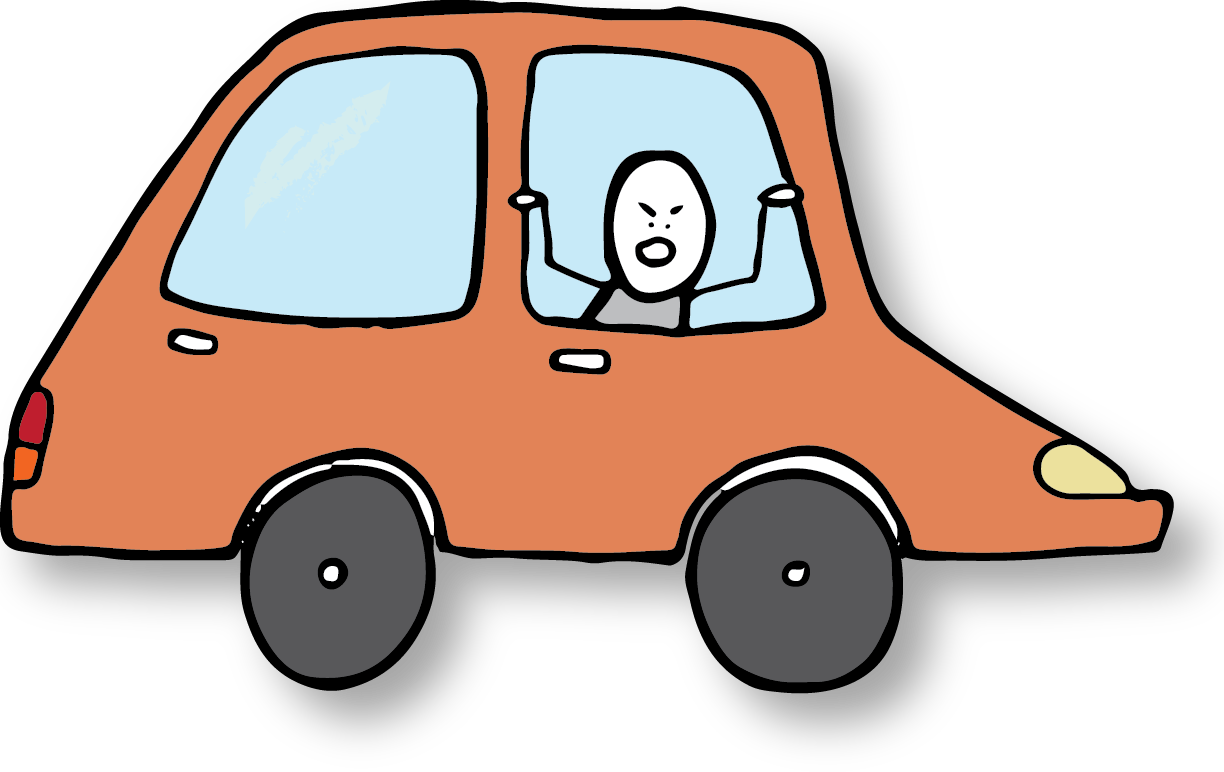
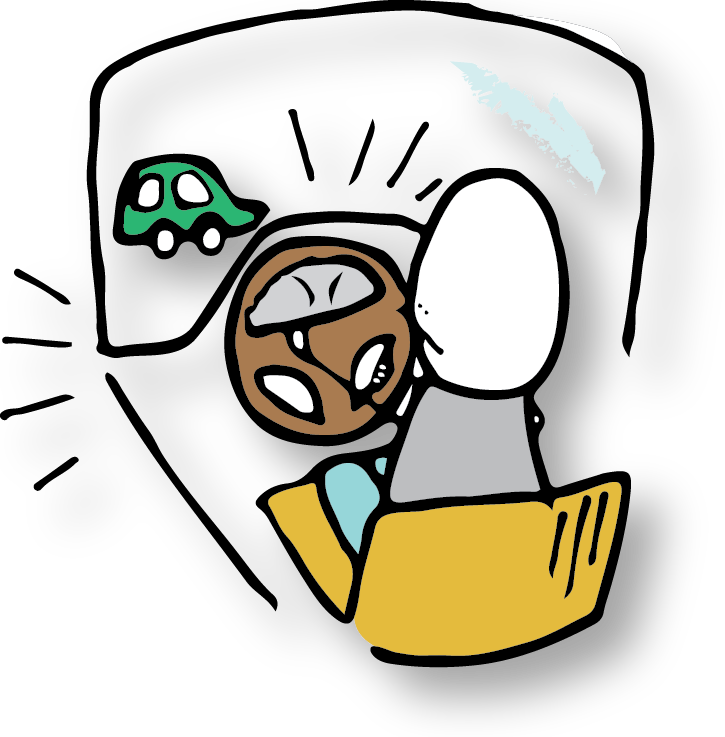
Imagine you are in the car, driving along happily, when from out of nowhere someone cuts dangerously in front of you. You are forced to brake quickly to avoid an accident. How would you react? Like most people you would probably react in one of the traditional ways: a heavy hand on the horn, a tirade of abuse, the flashing of headlights, or all three of the above.
This typical reaction to a typical situation is a classic example of what we call an 'automatic response'. It's a 'default' behaviour: we don't consciously think about honking, swearing or flashing headlights – we just do it.
Now think about how, at some time in the past, you've approached a conversation about your performance with a manager you didn't get along with. Did you go in with an open mind, or were you on the defensive from the word 'go'? Did you find yourself fairly quickly defending yourself, regardless of what the manager said? Most of us have been in this situation at some stage.
What is happening in this situation is very similar to what is happening in the road-rage scenario. The difference in the workplace is that instead of horn-honking, the automatic response to being challenged or criticised is defensiveness, denial, blame or justification.
In both these cases – the car and the workplace – there's a good chance that, on later reflection, you recognise that your behaviour was ultimately unnecessary and unhelpful and probably not the best choice you could have made at the time. But you also wonder whether it is really possible to avoid these situations. After all, the responses are automatic, aren't they?
The truth is that it is possible to change your responses to both these situations, but doing so can require a substantial amount of work.
The first step is to understand what is going on here.
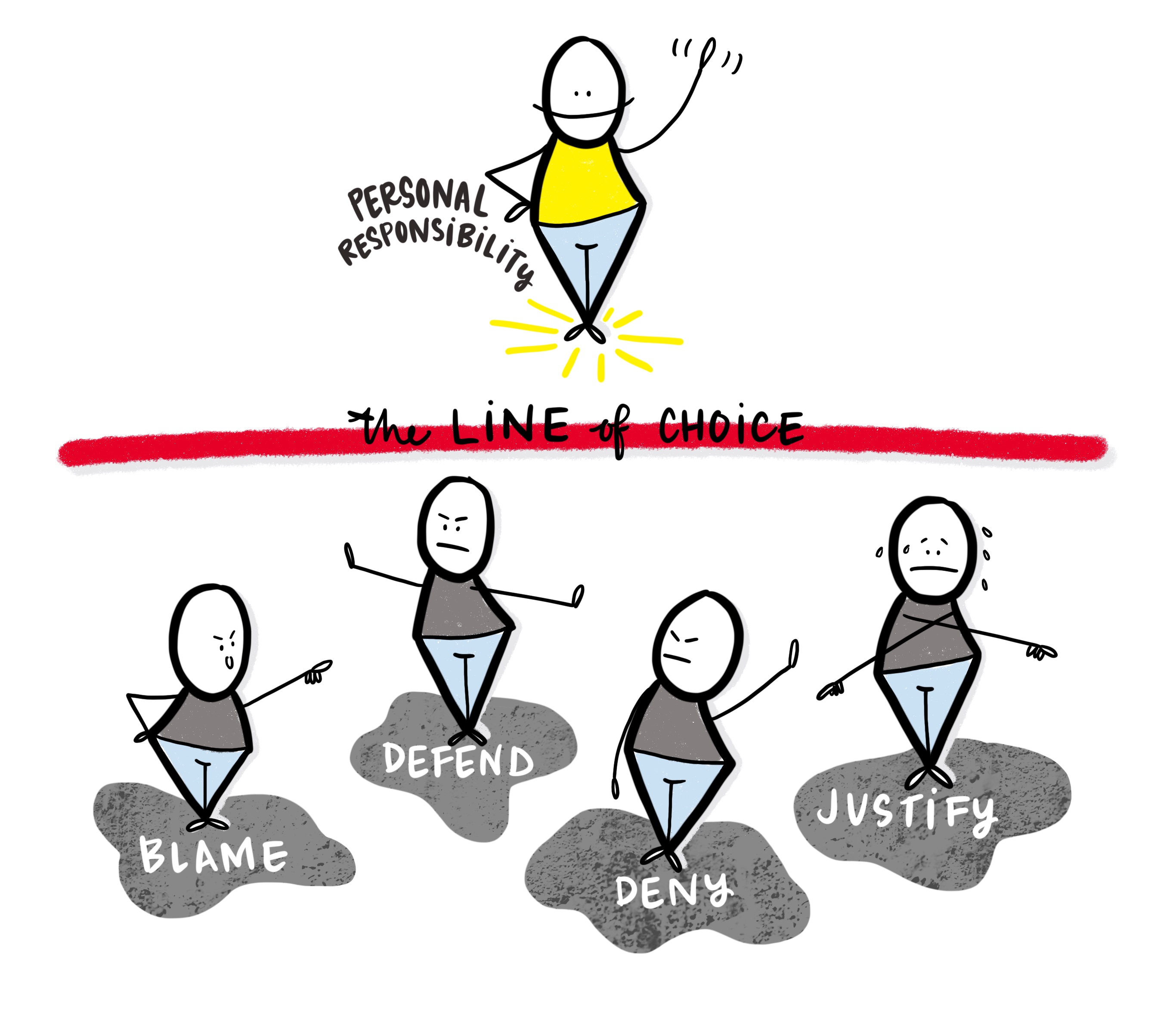
In our work we draw a line – the 'Line of Choice' – between the default, automatic responses to challenging situations (typically denial, blame, justification or defensiveness) and the more emotionally healthy option of a thoughtful and constructive response to them. When we do the latter, we are taking personal responsibility – not for the situation itself but for the way we react to the situation.
We say that automatic responses are 'below the line' while constructive, personally responsible responses are 'above the line'.
Notice that we use the word 'choice' here. For ultimately there is a personal choice to be made between operating above or below the line, even though it may not feel like it as our hand hits the horn or the excuses start flowing.
Making that choice requires us to activate our 'inner observer' before enacting our automatic response, catching ourselves in the act.
Achieving this in everyday situations takes some training and practice, especially when you consider that making the choice has to be done very quickly. American psychotherapist and author Tara Bennett-Goleman calls it the 'magic quarter second': the time between when our brain absorbs a situation and our body reacts to it.
Some of that training and practice we get from life in general. As we 'grow up', we tend to learn to take more personal responsibility than we did when we were young. In practice, however, the vast majority of us only take personal responsibility for our behaviour and our responses some of the time, even as adults. At other times – when that other driver cuts us off, for instance – we slip below the line quite easily.
Spending some time below the line – defending, blaming, justifying – is quite normal. The challenge is to increase your awareness of these responses and, over time, to choose healthier ones more often. In other words, to constantly increase the amount of time you spend being present and 'above the line'. Achieving that requires a high level of awareness about yourself and the way you see your interactions with others.
Understanding this idea of operating above or below the line leads us to the larger concept of 'emotional health levels'.
How to use this assessment
- Browse through the cards using the arrows on either side.
- Hover over the centre card to read its full description.
- Drag the centre card into Not Like Me or Like Me, or click the card then click a zone to place it.
- Click any placed card to return it to the deck.
- Sort as many cards as you like, then click See Your Results.